

When people imagine the Middle Ages, they usually think about knights, castles, plague and religion. But behind all the armor and religious morality, medieval Europe had a deeply complicated — and often contradictory — relationship with sex.
From bizarre punishments and forbidden positions to oversized codpieces and early references to dildos, sexuality during the medieval era was shaped by obsession, fear, control and desire.
Sexologist and nurse Daniel (Dani the Nursex) explores five fascinating facts about how people experienced, regulated and punished sexuality during the Middle Ages.
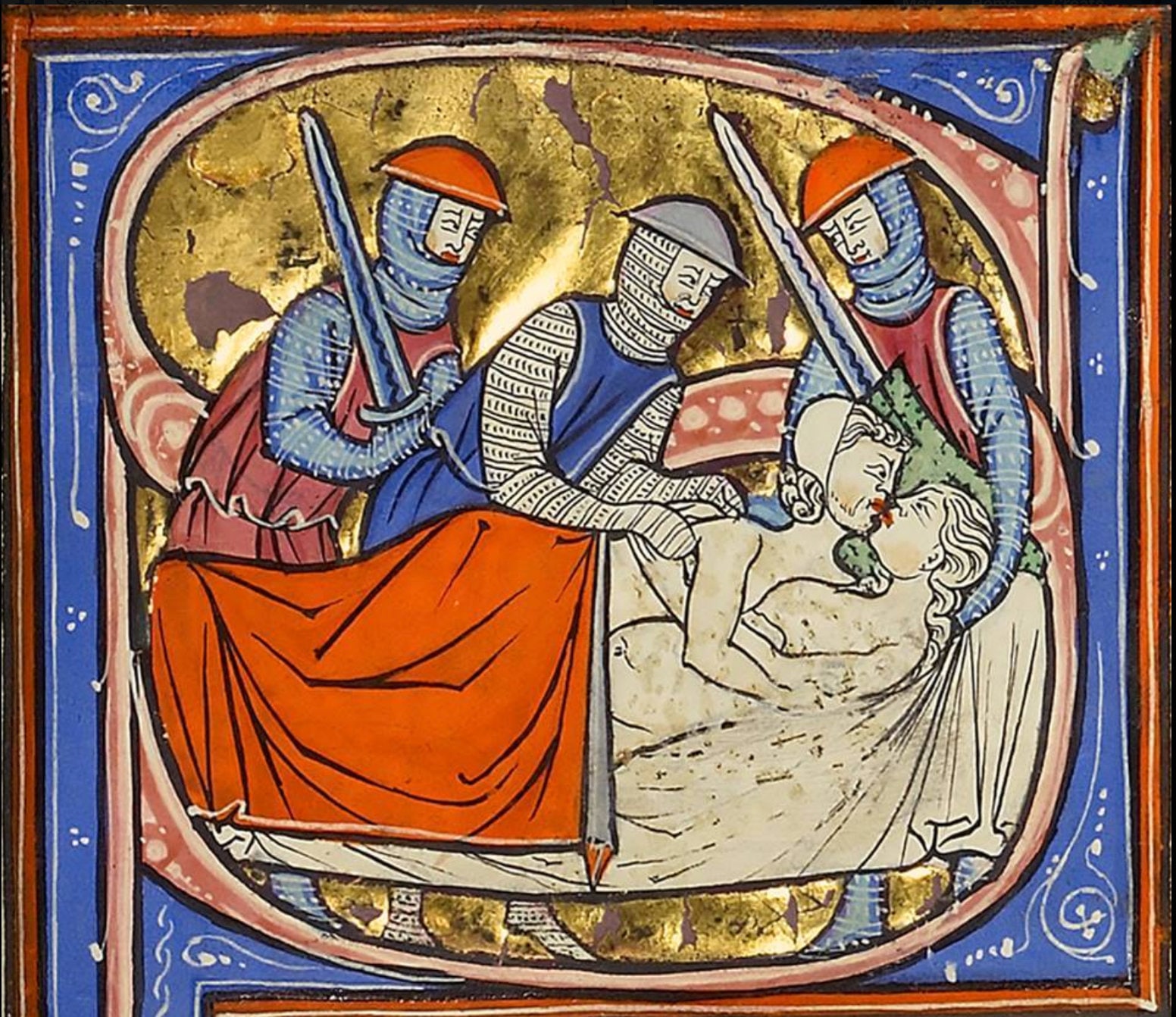
1. Adultery Could Literally Get You Killed
For medieval Christianity, sex was only considered acceptable inside marriage — and even then, only under strict moral rules.
Premarital sex, adultery and prostitution were treated as serious sins. Priests were expected to report “fornicators,” and punishments could range from public humiliation and imprisonment to execution.
In many regions of Europe, sexuality wasn’t simply a private matter. It was heavily monitored by both the Church and the law.

2. Even Your Sex Position Was Controlled
The Church didn’t just regulate who you could sleep with. It also tried to control how sex was performed.
The missionary position was considered the only truly “natural” way to have sex. Positions where the woman was on top, rear penetration or oral sex were condemned because they focused on pleasure rather than reproduction.
Some theologians even ranked sexual positions from “acceptable” to “sinful.” Medieval philosopher Albertus Magnus described five different positions and considered anything beyond missionary morally questionable.
Apparently, even medieval sex came with official guidelines.

3. Homosexuality Was Considered a Crime Against Nature
Medieval attitudes toward homosexuality were brutally harsh.
Religious authorities classified same-sex relations and non-procreative acts as “sins against nature.” Punishments could include mutilation, public execution or death by burning.
Yet despite the repression, history still contains rumors and accounts of powerful figures involved in same-sex relationships.
King Richard I of England, known as Richard the Lionheart, was frequently rumored to have had intimate relationships with men, including King Philip II of France. Chroniclers of the time even described the two kings sharing a bed and having a “passionate love” between them.
Even in periods of extreme repression, desire never completely disappeared.
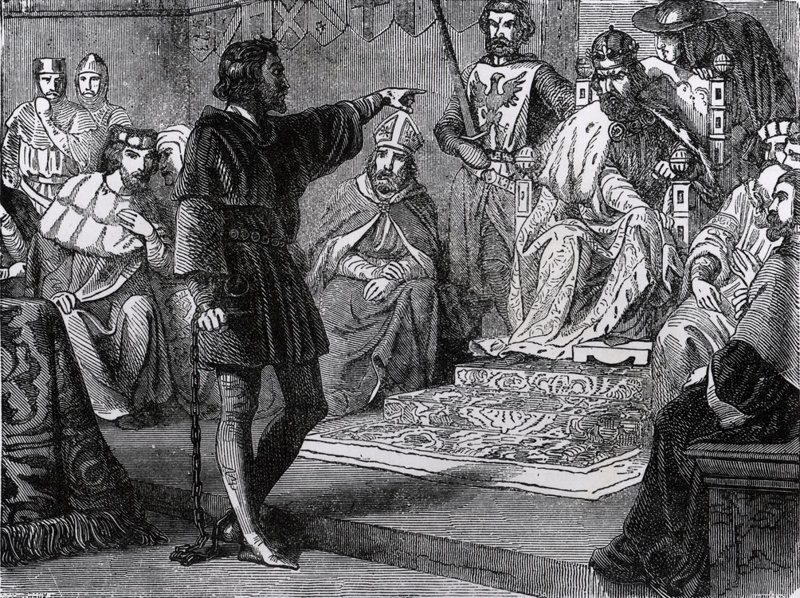
4. Medieval Men Were Obsessed With Looking Well-Endowed
One of the strangest fashion trends of the Middle Ages was the codpiece: a pouch attached to the crotch designed to exaggerate male genital size.
Some codpieces were stuffed with fabric or sawdust to appear larger and more noticeable beneath clothing.
The same obsession extended to footwear. Men wore extremely long pointed shoes called poulaines, which were also believed to symbolize virility and masculinity.
The Church hated both trends, describing them as “fashions of the devil.”
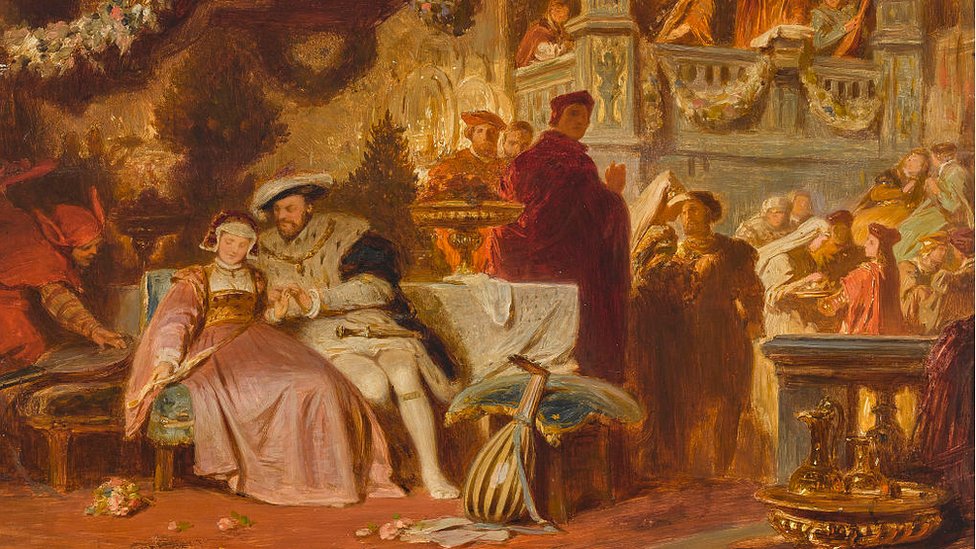
Sex Has Always Been Political
The Middle Ages were not sexually “pure” or simple. They were filled with contradictions, repression, obsession and desire.
And perhaps that’s what makes medieval sexuality so fascinating today: the realization that many modern debates around pleasure, morality and control are far older than we think.